 Flashroom
Art & culture
How did Oscar Rejlander compose “The Two Ways of Life”?
The elaborate Victorian allegory combined many photographic negatives into a single staged composition.
Oscar Gustave Rejlander’s “The Two Ways of Life” is a large composite photograph first shown in 1857. Rather than exposing the entire scene in one camera view, Rejlander combined separately photographed elements to create a crowded allegorical tableau. The work helped early photographers argue that the medium could support ambitious art.
Combining separate exposures
The Metropolitan Museum describes “The Two Ways of Life” as a carbon print and explains its moral composition: one youth faces vice while another is directed toward virtue. The Moderna Museet notes that the famous picture was produced from thirty-nine negatives. The composite process let Rejlander construct a scene too complex to stage as one exposure.
Evidence: Museum, archive or institution record
Controversy and artistic status
The picture drew attention and controversy because photographic montage challenged assumptions about truth and propriety. Its painted-allegory structure deliberately borrowed conventions from established art. Rejlander’s example shows that photography’s early history included manipulated compositions from the start, alongside direct views and portraits.
Evidence: Museum, archive or institution record
A useful contrast with booth strips
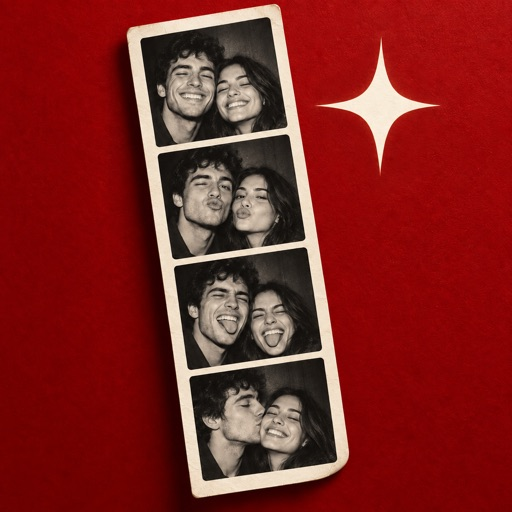
A booth sequence records separate moments in one setting, while Rejlander assembled multiple negatives into one imagined scene. Both depend on photographic components, but only the composite hides those separate exposures within a single tableau. The distinction helps explain the difference between a photographic record and a constructed photographic artwork.
Evidence: Museum, archive or institution record
Sources & further reading
Sources for the specific facts and product descriptions above. Our worked examples, interpretations and practical suggestions are original editorial guidance.
- Oscar Gustav Rejlander, Two Ways of Life — The Metropolitan Museum of ArtMuseum, archive or institution record