 Flashroom
Around the world
Why was The Photographers’ Gallery founded in London?
Sue Davies created a dedicated public venue for a medium that lacked institutional recognition in Britain.
The Photographers’ Gallery opened in London in 1971 as the United Kingdom’s first public gallery devoted to photography. Its founding addressed a gap in cultural infrastructure: photographs were widely made and circulated, but photography had limited dedicated exhibition space and critical attention.
A purpose-built home for photographs
The Gallery’s institutional history traces its founding to Sue Davies, who sought a venue for photography’s display and discussion. It began in a former tea room in Covent Garden. The gallery offered artists, curators and audiences a place to encounter photographs as works that could be studied and debated.
Evidence: Museum, archive or institution record
Public institutions shape a medium
A dedicated gallery can preserve exhibition histories, commission new work and build audiences beyond collectors or commercial studios. Such institutions affect which photographers become visible and what kinds of photographic practice count as art. This is distinct from the commercial infrastructure of portrait studios and camera manufacturers.
Evidence: Museum, archive or institution record
From private keepsake to public work
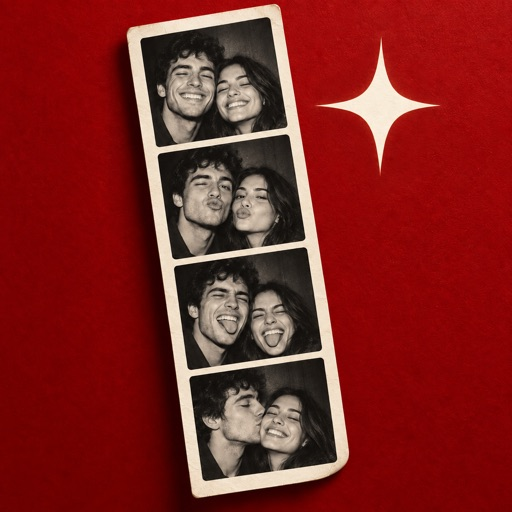
A photobooth image often circulates among friends or family, while a gallery presents photographs to strangers within a curated context. The same medium can serve both uses. The Gallery’s history helps explain how photographic prints gained public art spaces alongside their everyday role as personal records.
Evidence: Museum, archive or institution record
Sources & further reading
Sources for the specific facts and product descriptions above. Our worked examples, interpretations and practical suggestions are original editorial guidance.
- Our History — The Photographers’ GalleryMuseum, archive or institution record