 Flashroom
History
What did the New York Photo League contribute to documentary photography?
The cooperative connected camera education, exhibitions and socially engaged records of city life.
The Photo League was a New York cooperative founded in 1936 by photographers interested in documentary work and social questions. Its members photographed ordinary city life and organized ways to study, exhibit and discuss photographs. The League’s story links photographic practice to education and political context.
A community as well as a style
The Jewish Museum’s history describes the League as a group of politically engaged street photographers active from 1936 to 1951. Members included Berenice Abbott, Lisette Model, Aaron Siskind and Weegee. The organization supported the idea that documenting city life could be both an artistic practice and a way to engage social issues.
Evidence: Museum / archive history
Documentary images ask questions
The museum notes that the League’s work moved beyond recording facts toward more challenging images that questioned viewers’ own place in the world. That distinction cautions against treating documentary photography as neutral evidence. A photographer’s choices about subject, framing and sequence shape what an audience sees and how it interprets social life.
Evidence: Museum / archive history
A contrast with automated portraits
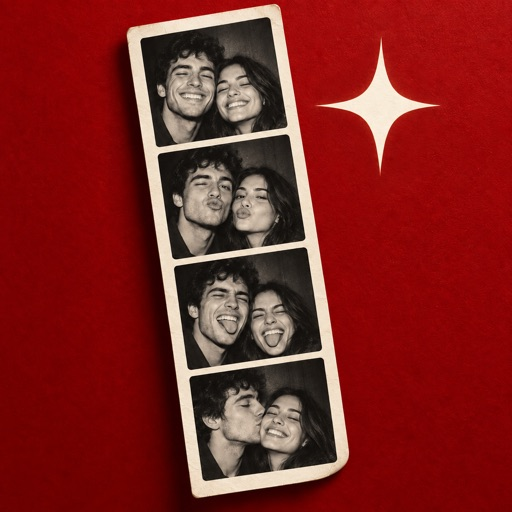
A photo booth creates a brief, standardized encounter between a sitter and a camera. Photo League projects place photographs within longer studies of streets and communities. The comparison clarifies that photography’s social meaning depends on the surrounding project, not simply on whether a camera is automatic or operated by a person.
Evidence: Museum / archive history
Sources & further reading
Sources for the specific facts and product descriptions above. Our worked examples, interpretations and practical suggestions are original editorial guidance.
- The Radical Camera: New York’s Photo League — The Jewish MuseumMuseum / archive history