 Flashroom
Art & culture
How did “The Family of Man” turn photographs into a global exhibition?
Edward Steichen arranged hundreds of images into a traveling essay about shared human experience.
The Family of Man opened at the Museum of Modern Art in New York in 1955. Curated by Edward Steichen, it gathered photographs from around the world into a thematic sequence about life, from birth to death. The exhibition treated installation and order as part of the photographic work.
An exhibition assembled as an essay
MoMA records 503 photographs grouped by themes such as love, children and death. Steichen invited photographers to submit images, then arranged the selected works so viewers moved through a visual argument. This approach differs from a gallery hanging organized only by artist or date.
Evidence: Museum / archive history
Circulation and response
The exhibition toured for years, reaching venues across 37 countries and attracting millions of visitors. Its scale made photography a shared public experience, although its universal humanist framing has also prompted questions about which histories and differences were emphasized or left aside. The exhibition’s arrangement, not merely its individual images, is the historical subject.
Evidence: Museum / archive history
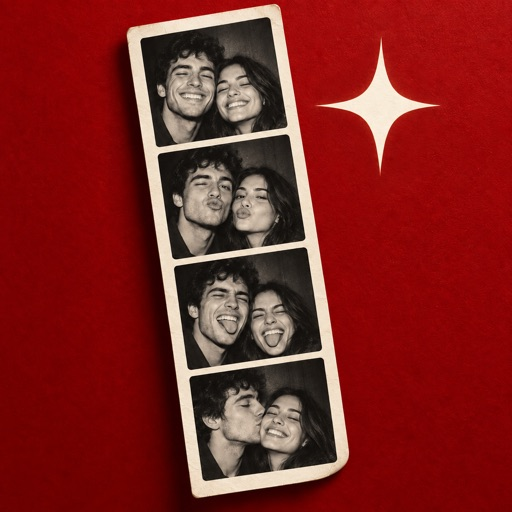
Booth images in a collective story
Photobooth strips usually belong to private events and individual memory. In Family of Man, photographs were selected and sequenced to create a large public narrative. The comparison shows how photographs can move from personal records to cultural arguments through editing, display and circulation.
Evidence: Museum / archive history
Sources & further reading
Sources for the specific facts and product descriptions above. Our worked examples, interpretations and practical suggestions are original editorial guidance.
- The Family of Man — MoMAMuseum / archive history