 Flashroom
Art & culture
How did Erwin Blumenfeld transform a fashion portrait of Jean Patchett?
A 1950 Vogue image combines portrait photography with applied print media and graphic cropping.
Erwin Blumenfeld’s 1950 photograph of model Jean Patchett for Vogue is catalogued as a gelatin-silver print with applied media. The image belongs to fashion photography, where a portrait must present a person and communicate through magazine design. The Met’s record preserves the print as an object as well as a reproduction for a magazine audience.
Photograph and applied media
The Metropolitan Museum of Art records the work as a gelatin-silver print with applied media, dated 1950, from the Condé Nast Archive. The material description signals that the final image involved more than an untouched camera negative. Applied elements and cropping can direct attention and translate a photograph into a designed page.
Evidence: Museum collection record
A face as a graphic composition
Fashion images often use close framing, makeup, light and print design to turn a portrait into a striking visual emblem. The model’s face remains identifiable, yet the image also works through shape, contrast and surface. Catalog records help distinguish an original photographic print from the magazine cover reproduced from it.
Evidence: Museum collection record
Compare with booth strips
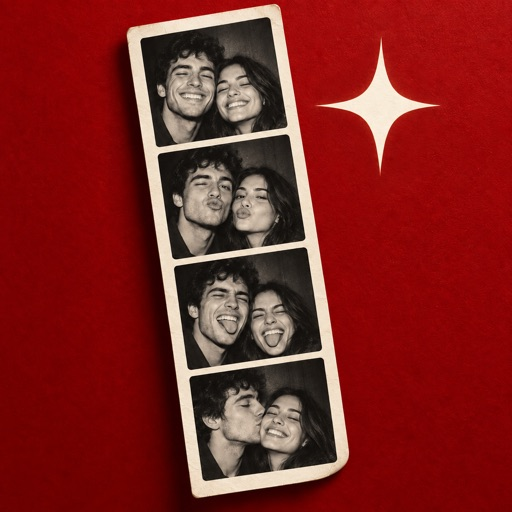
A booth strip emphasizes the sitter’s sequential expressions; a fashion image is usually selected and refined for publication. Both present a face to viewers, but their audiences and editing stages differ. Blumenfeld’s print is a useful example of how commercial photography can combine portraiture with designed reproduction.
Evidence: Museum collection record
Sources & further reading
Sources for the specific facts and product descriptions above. Our worked examples, interpretations and practical suggestions are original editorial guidance.
- Erwin Blumenfeld, Jean Patchett for Vogue — The Metropolitan Museum of ArtMuseum collection record